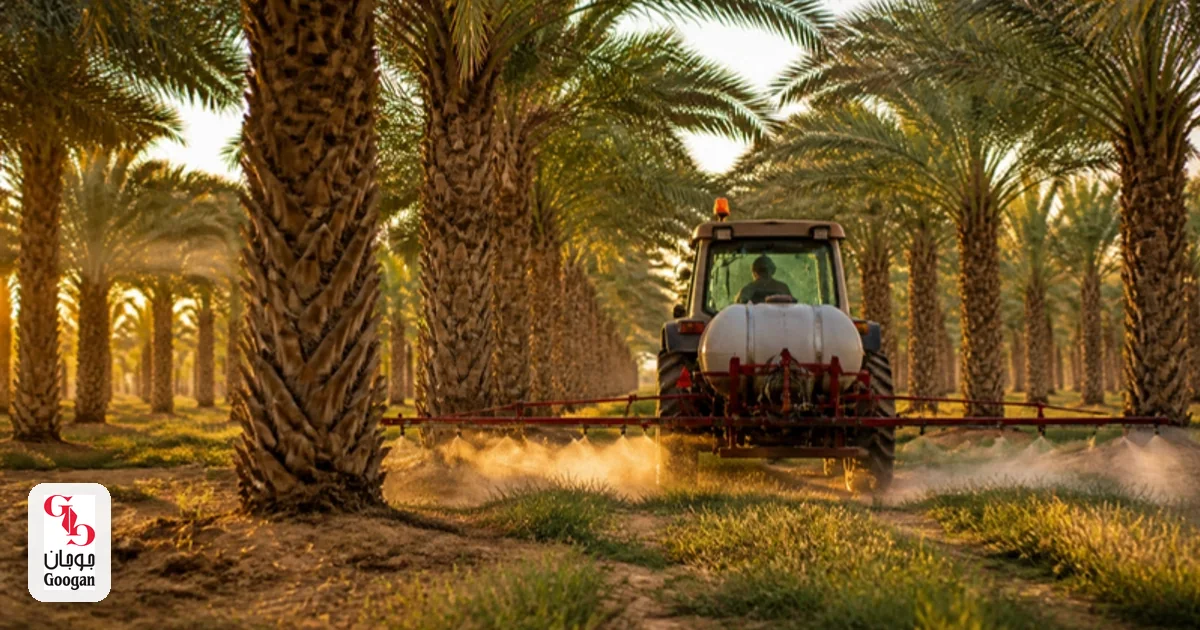
Feasibility overview for an agrochemicals (pesticide formulation) plant in Saudi Arabia. Market reports indicate most crop-protection products are imported; MISA and UPL signed a USD 1bn local manufacturing agreement in 2023. The sector is governed by the GCC Pesticides Law (Royal Decree M/67) and its 2024-amended regulation.
What Kind of Opportunity Is It?
The practical opportunity is formulation and packaging with imported actives; success depends on product selection, registration and distribution.
An announced global entrant changes market-share assumptions.
Data Needed
- Target crops and pests.
- Initial product list.
- Active-ingredient suppliers.
- Agricultural distribution channels.
- Site, safety and environmental needs.
Study Stages
- Market and demand: Demand by crop, pest, region; competition.
- Products and registration: Product choice, registration path and cost.
- Technical and environmental: Technology, HSE, hazardous waste, permits.
- Financial and risk: Capex, opex, scenarios.
When Is It Suitable?
With clear-demand products, a realistic registration path, reliable suppliers and a distribution channel.
In agrochemicals, registration and distribution come before the plant.
FAQ
Are pesticides made in Saudi Arabia?
Most are imported; a large local project was announced in 2023.
Which law governs pesticides?
The GCC Pesticides Law (Royal Decree M/67) and its 2024-amended regulation.
Must actives be made locally?
No; formulation from imported actives is common for new plants.